When you’re heading out on an overlanding trip, every inch of space and every ounce of weight matters. That’s where compact camping stoves become essential. Unlike bulky traditional camp stoves, compact models are designed to be lightweight, portable, and efficient—making them perfect for vehicle-based adventures where storage is limited but performance still matters.
Whether you’re brewing coffee at sunrise, boiling water for dehydrated meals, or cooking a full dinner after a long day on the trail, the right compact stove can make your experience smoother and more enjoyable. Modern compact stoves are not only smaller but also more powerful and fuel-efficient than ever before, offering impressive performance in a minimal footprint.
However, not all compact stoves are created equal. Choosing the best one depends on your cooking style, trip duration, environment, and how much gear you can realistically carry. In this guide, we’ll break down exactly what you should look for so you can confidently choose the best compact stove for your overlanding needs.
What to Look for in the Best Compact Stoves for Camping
Choosing the best compact stove isn’t just about picking the smallest option—it’s about finding the right balance between portability, performance, and practicality. Here are the key factors you should consider:
🔹 Size & Weight (Critical for Overlanding Setups)
Compact stoves are designed to save space, but the level of portability varies significantly. If you’re tight on storage or combining overlanding with hiking, ultralight models (under 3 oz) are ideal. For vehicle-based trips, you may have slightly more flexibility, allowing for integrated systems that take up more space but offer added convenience.
What to consider:
- Packed size (does it fit inside your cookware?)
- Total weight including fuel
- Storage compatibility with your gear setup
🔹 Fuel Type (Canister vs Liquid vs Wood)
The type of fuel your stove uses directly impacts convenience, availability, and performance.
Common options:
- Canister stoves (isobutane/propane): Easy to use, clean, and widely available—best for most overlanders
- Liquid fuel stoves: Better for extreme conditions and long trips, but require maintenance
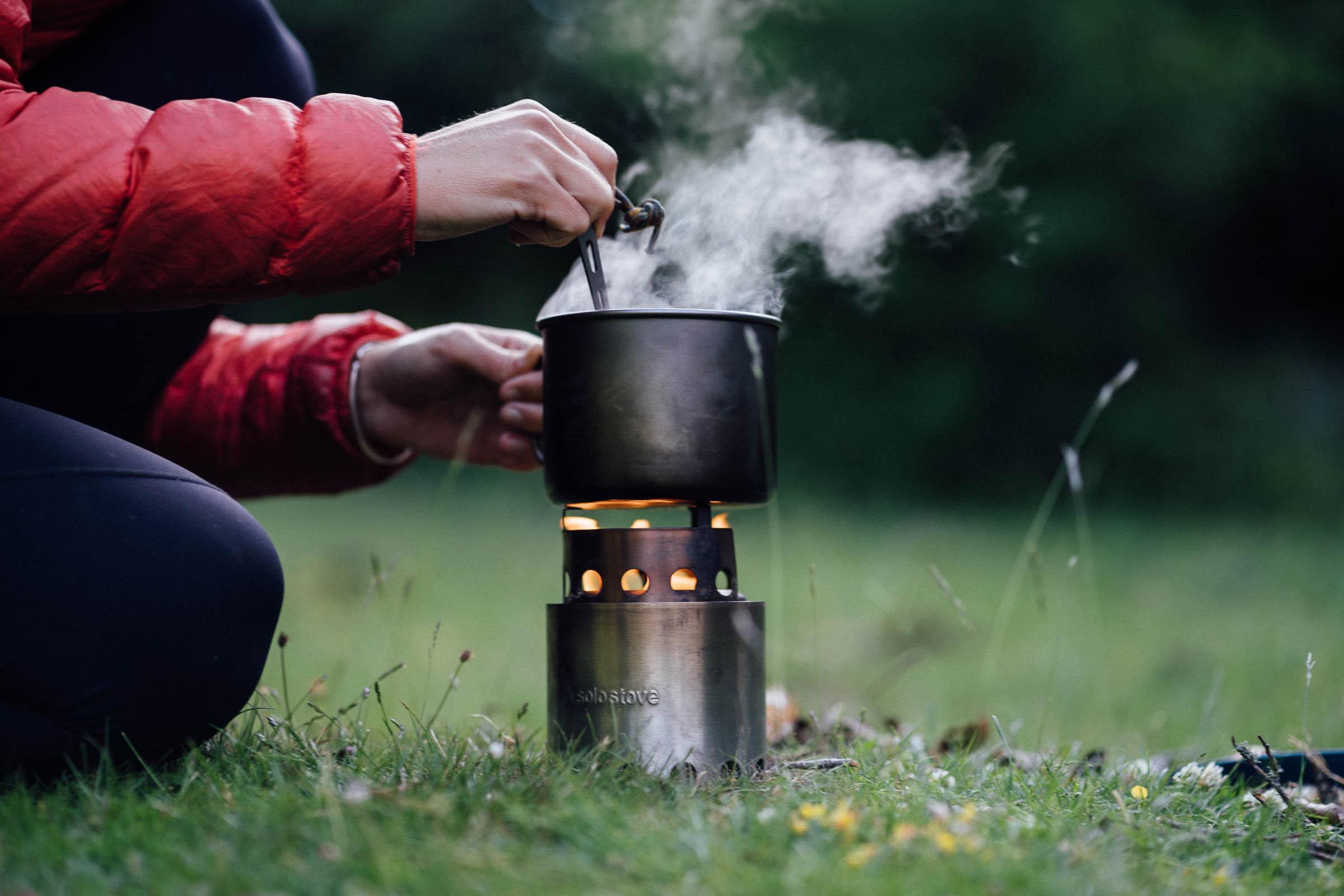
- Wood-burning stoves: Eco-friendly and fuel-free, but less reliable and slower
Tip: For most overlanding trips, canister stoves offer the best balance of simplicity and efficiency.
🔹 Boil Time & Efficiency
Boil time refers to how quickly a stove can heat water—an important factor when you’re tired, hungry, or low on fuel. Efficiency determines how much fuel you’ll use over time.
What matters:
- Faster boil times save time and fuel
- Efficient stoves reduce the number of fuel canisters you need to carry
- Integrated systems typically perform best in this category
🔹 Wind Resistance
Outdoor conditions aren’t always ideal. Wind can significantly reduce stove performance, increasing cook time and fuel consumption.
Look for:
- Built-in wind resistance or shielded burners
- Low, stable flame design
- Compatibility with external windshields
This is especially important for open क्षेत्रों like deserts, mountains, or coastal overlanding routes.
🔹 Cooking Versatility vs Boiling-Only
Not all compact stoves are designed for full cooking. Some excel at boiling water quickly, while others allow you to simmer, sauté, and prepare more complex meals.
Choose based on your needs:
- Boiling-only stoves: Great for coffee, tea, and dehydrated meals
- Versatile stoves: Better for real cooking (eggs, rice, meats, etc.)
If food is a big part of your adventure, prioritize stoves with good flame control and stability.
5 Best Compact Stoves for Camping (Top Picks)
#1 MSR PocketRocket Deluxe – Best Overall

The MSR PocketRocket Deluxe Stove is widely considered one of the most refined compact stoves available today. Designed as an upgrade to the original PocketRocket line, it delivers excellent all-around performance with features that cater to both beginners and experienced overlanders.
What sets this stove apart is its pressure regulator, which maintains consistent flame output even in cold weather or when the fuel canister is running low. Combined with its push-button ignition and enhanced burner head, it offers fast boil times, reliable ignition, and precise flame control for simmering.
This makes it ideal not just for boiling water, but also for real cooking in the wild, which is a major advantage for longer overlanding trips.
- Weight: ~2.9 oz (83 g)
- Fuel Type: Isobutane-propane canister
- Ignition: Push-start piezo igniter
- Boil Time: ~3.3 minutes (1 liter)
- Burn Time: ~60 minutes (8 oz canister)
- Features: Pressure regulator, wide burner, wind resistance
Pros
- Excellent simmer control for versatile cooking
- Built-in igniter for convenience
- Performs well in cold weather due to regulator
- Compact and lightweight for easy packing
- Improved wind resistance compared to older models
Cons
- Higher price point than basic compact stoves
- Igniter can wear out over time
- Requires separate cookware
#2 BRS 3000T – Best Budget Ultralight Stove

The BRS 3000T Ultralight Titanium Stove is a favorite among ultralight enthusiasts who prioritize minimum weight and maximum packability. Weighing under an ounce, it’s one of the lightest gas stoves in the world.
Despite its tiny size, it produces a surprisingly strong flame, making it capable of boiling water quickly in calm conditions. However, its minimalist design means it lacks advanced features like wind protection or precise flame control.
This stove is best suited for solo travelers, minimalist overlanders, or emergency backup kits, rather than full-scale cooking setups.
Specifications
- Weight: ~0.9 oz (25 g)
- Material: Titanium alloy
- Fuel Type: Isobutane/propane canister
- Ignition: Manual (lighter required)
- Boil Time: ~4–5 minutes (1 liter, conditions dependent)
- Foldable: Yes (extremely compact design)
Pros
- Extremely lightweight (ideal for ultralight setups)
- Very compact—fits almost anywhere
- Affordable price point
- Simple and easy to use
Cons
- Poor wind resistance
- Limited stability for larger pots
- No simmer control (mostly high heat)
- Durability is lower than premium stoves
#3 Jetboil Flash – Best Integrated System

The Jetboil Flash Cooking System is a complete all-in-one solution designed for speed, efficiency, and convenience. Unlike traditional compact burners, this system integrates the stove and cooking pot into a single unit.
Its standout feature is its rapid boiling capability, often bringing water to a boil in about 100 seconds. The system also includes a heat indicator sleeve that visually shows when the water is ready, reducing guesswork.
This stove is perfect for overlanders who prioritize quick meals, hot drinks, and fuel efficiency, rather than elaborate cooking.
Specifications
- Weight: ~13 oz (370 g)
- Fuel Type: Isobutane-propane
- Ignition: Push-button igniter
- Boil Time: ~100 seconds (0.5 liter)
- Capacity: 1-liter cooking cup
- Features: Integrated system, heat indicator, insulated cup
Pros
- Extremely fast boil time
- Highly fuel-efficient
- Easy to use and beginner-friendly
- Compact all-in-one design reduces packing complexity
Cons
- Bulkier than minimalist stoves
- Limited cooking versatility (mostly boiling)
- Higher cost compared to basic stoves
#4 Soto WindMaster – Best for Windy Conditions

The Soto WindMaster Stove is engineered for maximum performance in challenging weather, particularly windy environments. Its innovative burner design and micro regulator ensure a steady flame even in strong gusts and colder temperatures.
Unlike many compact stoves, it also provides excellent pot stability, thanks to its detachable support system. This makes it suitable for more complex cooking tasks beyond just boiling water.
For overlanders traveling through exposed terrains—such as deserts, mountains, or coastal regions—this stove offers unmatched reliability.
Specifications
- Weight: ~3 oz (without pot support)
- Fuel Type: Isobutane-propane canister
- Ignition: Manual
- Boil Time: ~3 minutes (1 liter)
- Features: Micro regulator, wind-resistant burner, detachable pot supports
Pros
- Outstanding wind resistance
- Consistent performance in cold weather
- Stable cooking platform
- Excellent flame control for real cooking
Cons
- Slightly more complex setup
- Pot supports are detachable (can be misplaced)
- No built-in igniter
#5 MSR PocketRocket 2 – Best Value Option

The MSR PocketRocket 2 Stove is a trusted classic that strikes a perfect balance between price, performance, and portability. It’s lighter and more compact than the original PocketRocket, while maintaining reliable output and ease of use.
Although it lacks premium features like a pressure regulator or built-in igniter, it still delivers fast boil times and dependable performance in most conditions.
This makes it an excellent choice for beginners, budget-conscious overlanders, or anyone looking for a reliable backup stove.
Specifications
- Weight: ~2.6 oz (73 g)
- Fuel Type: Isobutane-propane canister
- Ignition: Manual
- Boil Time: ~3.5 minutes (1 liter)
- Foldable: Yes (compact design)
Pros
- Lightweight and highly portable
- Affordable and widely available
- Simple, durable design
- Fast and reliable boiling performance
Cons
- No built-in ignition
- Limited wind resistance
- Basic flame control compared to premium models
Compact Stove Types Explained
Understanding the different types of compact camping stoves is essential because each design is built for a specific style of travel, climate, and cooking need. Choosing the right type can dramatically improve your efficiency, safety, and overall experience on an overlanding trip.
🔹 Canister Stoves

Canister stoves are the most popular and widely used compact stoves. They run on pre-pressurized fuel canisters containing a mix of isobutane and propane, which attach directly to the stove.
These stoves are favored for their ease of use, lightweight design, and reliability. You simply screw the stove onto the canister, turn the valve, and ignite—no priming or maintenance required.
Best for:
- Overlanding trips
- Backpacking and short adventures
- Beginners
Advantages:
- Quick setup and ignition
- Lightweight and compact
- Excellent flame control
Limitations:
- Performance drops in very cold temperatures
- Fuel canisters are disposable and harder to gauge remaining fuel
🔹 Integrated Systems

Integrated stove systems combine the burner and cooking pot into one unit, creating a highly efficient cooking setup. Popular examples include systems like Jetboil.
These systems are engineered for maximum heat efficiency and ultra-fast boiling, often using heat exchangers and built-in wind protection.
Best for:
- Fast meals and boiling water
- Overlanders who prioritize convenience
- Fuel efficiency
Advantages:
- Extremely fast boil times
- Excellent fuel efficiency
- Compact, all-in-one packing
Limitations:
- Bulkier than simple burners
- Limited cooking versatility (mostly boiling)
🔹 Liquid Fuel Stoves

Liquid fuel stoves use refillable fuel bottles filled with fuels like white gas, kerosene, or gasoline. Unlike canister stoves, they require manual pressurization and priming before use.
These stoves are built for extreme reliability, especially in cold weather and high altitudes where canister stoves struggle.
Best for:
- Long expeditions
- Cold climates
- Remote travel
Advantages:
- Excellent performance in freezing temperatures
- Fuel is widely available globally
- Refillable and cost-effective over time
Limitations:
- Heavier and less compact
- More complex setup and maintenance
- Can be noisy and require cleaning
🔹 Wood-Burning Stoves

Wood-burning stoves use natural fuel like twigs, sticks, and biomass, eliminating the need to carry fuel canisters altogether.
They’re popular among survivalists and eco-conscious travelers, but they require more effort and depend on environmental conditions.
Best for:
- Extended wilderness trips
- Fuel-free travel
- Emergency backup
Advantages:
- No need to carry fuel
- Unlimited fuel supply in wooded areas
- Eco-friendly option
Limitations:
- Slower cooking times
- Requires dry fuel
- Not allowed in fire-restricted areas
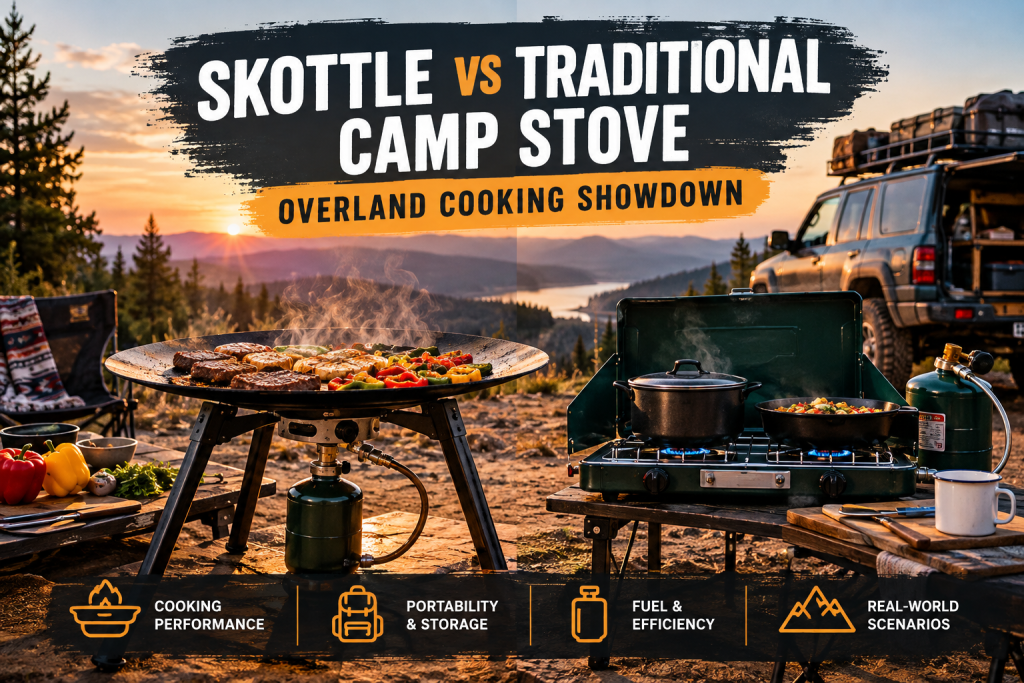
Compact Stove vs Traditional Camping Stove
Choosing between a compact stove and a traditional camping stove depends on your travel style, group size, and cooking expectations.
🔹 Space Comparison

Compact stoves are designed to be ultralight and space-saving, often small enough to fit inside a cooking pot. Traditional camping stoves, on the other hand, are bulkier and typically require dedicated storage space.
- Compact stoves: Ideal for tight storage and mobile setups
- Traditional stoves: Better for base camps and vehicle kitchens
🔹 Performance Trade-offs
Compact stoves prioritize portability, while traditional stoves focus on power and versatility.
- Compact stoves:
- Fast boiling
- Limited cooking surface
- Lower overall output
- Traditional stoves:
- Multiple burners
- Better for large meals
- Higher heat output and stability
🔹 When to Choose Each
Choose a compact stove if:
- You’re overlanding with limited space
- Traveling solo or with a partner
- Cooking simple or quick meals
Choose a traditional stove if:
- You’re cooking for a group
- You want a full camp kitchen experience
- Space and weight are not concerns
Tips for Using Compact Stoves on Overlanding Trips
Even the best compact stove requires proper use to maximize efficiency and safety. These practical tips will help you get the most out of your gear.
🔹 Fuel Storage Tips
- Store fuel canisters upright and in a cool, dry place
- Avoid direct sunlight or high heat (especially inside vehicles)
- Carry an extra canister for longer trips
- For cold environments, keep canisters warm (e.g., inside your sleeping bag) to maintain pressure
🔹 Wind Protection Hacks
- Use natural barriers like rocks or your vehicle
- Position the stove in a sheltered area
- Carry a lightweight windscreen (if compatible)
- Lower the flame slightly to improve efficiency in windy conditions
Wind can drastically reduce efficiency and increase fuel consumption, so even simple protection can make a big difference.
🔹 Safety Precautions
- Always use your stove in a well-ventilated outdoor area
- Keep flammable materials away from the flame
- Never leave a lit stove unattended
- Check connections for leaks before lighting
- Turn off fuel completely after use
🔹 Efficient Cooking Techniques
- Use a lid to reduce heat loss and speed up boiling
- Match pot size to burner size for better efficiency
- Pre-measure ingredients to minimize cooking time
- Cook in batches to conserve fuel on longer trips
Efficient cooking isn’t just about saving time—it also helps you extend your fuel supply, which is critical on remote overlanding routes.
Pros and Cons of Compact Camping Stoves
Compact camping stoves have become a staple for overlanders and backpackers alike, but like any piece of gear, they come with both strengths and limitations. Understanding these trade-offs helps you choose the right stove based on your travel style and expectations.
✅ Pros
🔹 Lightweight

One of the biggest advantages of compact stoves is their extremely low weight. Many models weigh between 0.9 oz and 3 oz, making them ideal for overlanding setups where minimizing load is essential.
Lightweight stoves reduce strain during transport and allow you to carry additional essentials like food, water, or recovery gear. For hybrid trips that include hiking or trekking, this becomes even more important.
🔹 Space-Saving
Compact stoves are designed to occupy minimal space. Most models can fold down to fit inside a small cooking pot, creating an efficient, nested packing system.
This is especially valuable for overlanders managing limited storage space in vehicles, rooftop tents, or drawer systems. A compact stove allows you to maintain a functional cooking setup without sacrificing room for other gear.
🔹 Easy Setup
Modern compact stoves are incredibly user-friendly. Canister-based models, in particular, offer quick setup with minimal effort—just attach, ignite, and cook.
Many premium models include push-button ignition systems, eliminating the need for matches or lighters. This simplicity is ideal after long driving days when you want a fast and hassle-free cooking experience.
❌ Cons
🔹 Limited Cooking Capacity
Compact stoves are not designed for large-scale cooking. Their small burner heads and limited pot support mean they are best suited for single pots or small cookware.
Cooking for groups or preparing complex meals can be challenging. As noted in testing, even high-performance compact stoves may struggle with larger pots or multi-dish cooking setups.
🔹 Fuel Dependency
Most compact stoves rely on pre-filled fuel canisters, which means you must plan fuel usage carefully. Running out of fuel in remote areas can disrupt your trip.
Additionally:
- Canisters can be harder to find in remote regions
- You cannot easily refill them
- Performance may drop in cold weather conditions
This dependency requires better trip planning compared to wood-burning or liquid fuel alternatives.
🔹 Stability Issues (Some Models)

Due to their small size and top-mounted design, some compact stoves can feel unstable, especially when using larger cookware or cooking on uneven ground.
Even high-end models may not match the stability of larger stoves, and smaller ultralight options can be particularly prone to tipping if not carefully positioned.
Best Compact Stove for Different Needs
Not all overlanders have the same requirements. The best compact stove for you depends on your travel style, group size, and environmental conditions.
🔹 Solo Travelers

For solo adventurers, ultralight and minimalist stoves are the best choice. You’ll typically be cooking simple meals like dehydrated food, coffee, or quick boil dishes.
Ideal features:
- Extremely lightweight
- Compact packing size
- Fast boil time
Best choice: BRS 3000T or similar ultralight stoves
🔹 Couples

Couples benefit from a balance between portability and cooking capability. A stove with better flame control and stability allows you to prepare more varied meals.
Ideal features:
- Moderate weight
- Good simmer control
- Stable pot supports
Best choice: MSR PocketRocket Deluxe or Soto WindMaster
🔹 Long Overlanding Trips

For extended trips, reliability and fuel efficiency become critical. You’ll want a stove that minimizes fuel consumption and performs consistently over time.
Ideal features:
- Fuel-efficient design
- Durable construction
- Versatile cooking capability
Best choice: Integrated systems like Jetboil or regulated canister stoves
🔹 Extreme Weather

Harsh environments demand stoves that can handle wind, cold, and altitude. Not all compact stoves perform well in these conditions.
Ideal features:
- Pressure regulator
- Wind-resistant burner
- Reliable ignition
The MSR PocketRocket Deluxe, for example, maintains strong performance in wind and cold conditions due to its regulated design and protected burner head.
FAQs
❓ What is the best compact stove for camping?
The best compact stove depends on your needs, but for most users, the MSR PocketRocket Deluxe stands out due to its combination of lightweight design, fast boil times, and excellent simmer control. It performs reliably across different conditions and supports both simple and advanced cooking.
❓ Are compact stoves safe for overlanding?
Yes, compact stoves are safe when used properly. Modern designs include secure fuel connections and stable burners, but safety depends on proper usage.
Key safety practices include:
- Always cooking in well-ventilated areas
- Keeping the stove on stable ground
- Checking fuel connections before ignition
- Never leaving the stove unattended
❓ Which fuel type is best for camping stoves?
For most overlanding scenarios, isobutane-propane canister fuel is the best option. It offers:
- Easy operation
- Clean burning
- Wide availability
However, for extreme cold or remote travel, liquid fuel stoves may be more reliable due to their consistent performance in harsh conditions.
❓ Can you cook full meals on compact stoves?
Yes, but it depends on the stove. Many compact stoves—especially models with good flame control—can handle full meals like rice, pasta, eggs, and even meat.
However:
- Ultralight stoves are better suited for boiling
- Larger or regulated stoves are better for cooking
If you plan to cook full meals regularly, choose a stove with stable pot support and precise heat control.