Overland travel takes you far from cities and power outlets. You drive long distances and camp in remote places. Power becomes a basic need on every trip. Lights help you see at night. A fridge keeps food fresh. GPS devices guide you on rough trails. Phones and radios keep you connected.
A normal car battery is not made for this kind of use. It can fail when you need power the most. That is where a 12V deep cycle battery helps. It gives steady power for many hours. It handles repeated use without damage. This makes it perfect for overland travel.
Choosing the right battery can be confusing. There are many types, sizes, and prices. Some are heavy. Some charge faster. Others last longer. This guide explains everything in simple terms. You will learn what a deep cycle battery is and why it matters. You will also understand why overlanders rely on it for safe and stress-free trips.
What Is a 12V Deep Cycle Battery?
A 12V deep cycle battery is made to deliver power slowly over a long time. It can be discharged and recharged many times. This makes it very different from a regular car battery.
Simple Explanation of Deep Cycle Batteries
Deep cycle batteries store energy and release it in a steady flow. They are built with thicker plates. This design allows deep discharging without damage. You can use most of the stored power before recharging. That is why they work well for camping and travel.
Difference Between Deep Cycle and Starting Batteries
Starting batteries are designed for short bursts of power. They start your engine and then rest. They do not like deep discharges. Using them for camping gear can shorten their life.
Deep cycle batteries work the opposite way. They provide low, steady power for long periods. They handle deep discharges much better. This makes them safer and more reliable for overland use.
Why Overlanders Need Deep Cycle Power
Overlanders depend on power all day and night. Devices often run for many hours. A deep cycle battery supports this demand. It reduces the risk of power loss in remote areas. It also protects your vehicle’s starting battery from drain.
Common Battery Types Used in Overlanding
The most common types include AGM and lithium batteries. AGM batteries are sealed and easy to maintain. Lithium batteries are lighter and last longer. Both are popular choices for overland travel.
Why Overland Travelers Need Deep Cycle Batteries
Overland trips place heavy demands on power systems. A deep cycle battery supports these needs with consistency and strength.
Long Off-Grid Stays
Many overland trips last days or weeks. Campsites often have no electricity. A deep cycle battery allows you to stay off-grid longer. You can relax without worrying about running out of power.
Powering Fridges, Lights, GPS, and Chargers
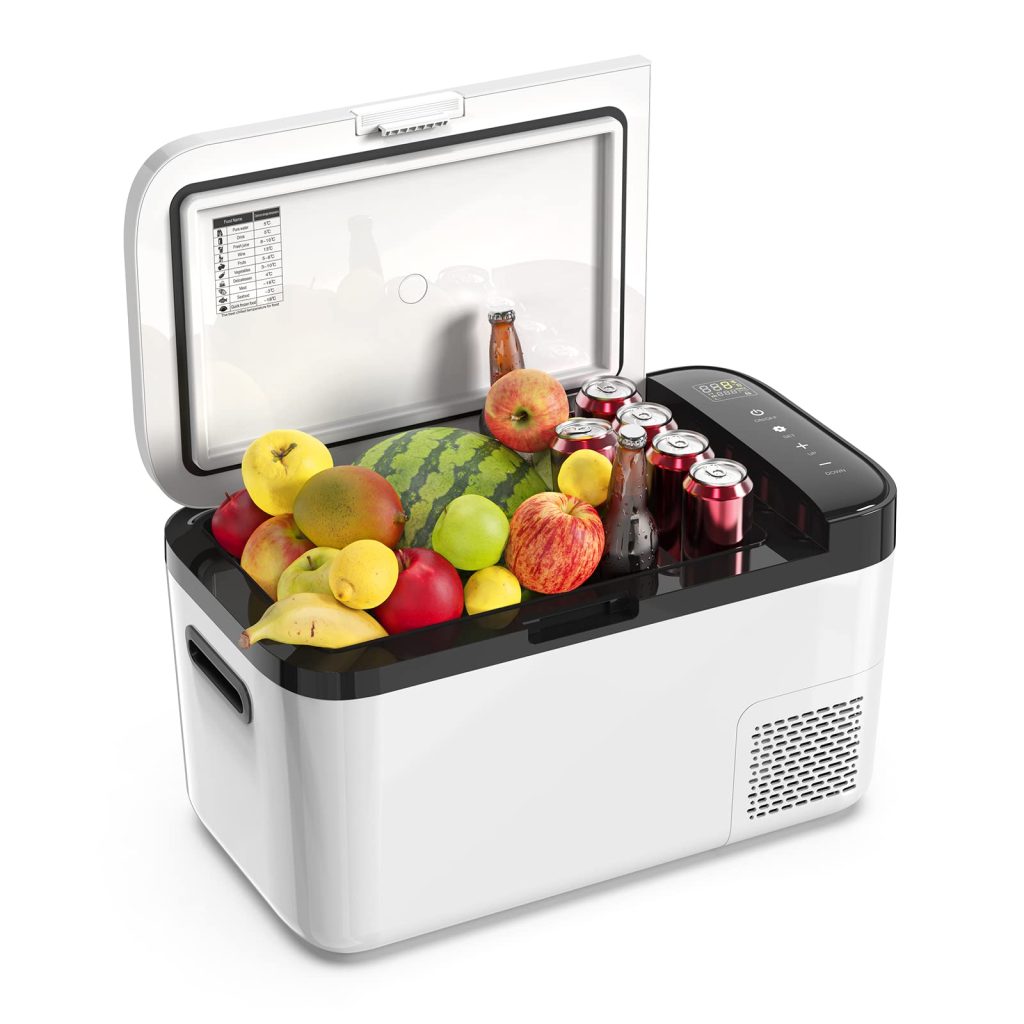
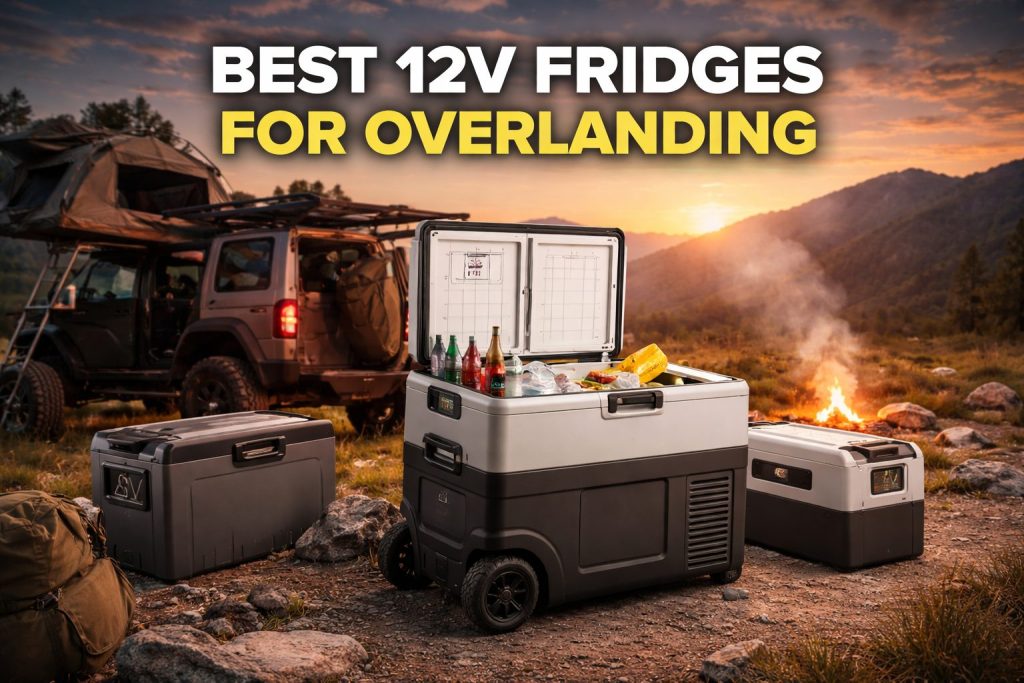
Portable fridges run day and night. LED lights stay on for hours. GPS units and radios must stay charged. A deep cycle battery handles all these devices at once. It delivers stable power without sudden drops.
Solar Charging Compatibility
Most deep cycle batteries work well with solar panels. You can recharge during the day and use power at night. This creates a clean and reliable energy system. It also reduces engine run time and fuel use.
Reliability in Remote Locations
Breakdowns and power failures are risky in remote areas. A deep cycle battery is built for reliability. It performs well in rough conditions. This gives peace of mind when traveling far from help.
Types of 12V Deep Cycle Batteries for Overland Use
Choosing the right battery type is very important for overland travel. Each type has its own strengths and limits. Understanding these differences helps you build a reliable power system for long trips.
AGM Deep Cycle Batteries
AGM stands for Absorbent Glass Mat. These batteries are a popular choice for overland travel because they are strong and easy to use.
How AGM Batteries Work
AGM batteries use fiberglass mats to hold the electrolyte in place. The liquid is absorbed instead of floating freely. This design makes the battery sealed and spill-proof. It also allows the battery to handle vibration and rough roads better. AGM batteries can be mounted in different positions without leaking.
They deliver steady power over time. They also recharge faster than traditional flooded batteries. This makes them useful for vehicle and solar charging setups.
Pros and Cons for Overland Travel
Pros
-
Maintenance-free and sealed design
-
Safe to use inside vehicles
-
Good resistance to shock and vibration
-
More affordable than lithium batteries
Cons
-
Heavier than lithium options
-
Shorter lifespan compared to lithium
-
Slower charging than modern lithium systems
AGM batteries work well for travelers who want a reliable and budget-friendly option. They are a solid choice for beginners and weekend explorers.
Lithium (LiFePO₄) Deep Cycle Batteries
Lithium iron phosphate batteries are becoming very popular in overland setups. They offer modern performance with fewer limits.
How Lithium Batteries Work
Lithium batteries use advanced cells and a built-in battery management system. This system controls charging and discharging. It protects the battery from damage. Lithium batteries deliver consistent voltage until nearly empty. This keeps devices running smoothly.
They allow deep discharges without harm. Many can use almost all their stored energy. This gives more usable power compared to AGM batteries.
Why They Are Popular with Overlanders
Lithium batteries are much lighter than AGM batteries. This helps reduce vehicle weight. They also charge very fast. This is helpful when driving short distances or using solar panels.
Lithium batteries last much longer. Many support thousands of charge cycles. This makes them ideal for frequent travelers and full-time overlanders.
Cost vs Performance Comparison
Lithium batteries cost more at first. The upfront price is higher than AGM batteries. However, they last much longer and perform better. Over time, the cost per cycle becomes lower. For serious travelers, lithium offers better long-term value.
Key Factors to Consider When Choosing the Best 12V Deep Cycle Batteries
Not all batteries are the same. You should match the battery to your travel style and power needs.
Battery Capacity (Ah)
Capacity is measured in amp-hours. A higher Ah rating means more stored energy. Large setups need higher capacity. Smaller rigs can use lower capacity batteries.
Weight and Size
Space and weight matter in overland vehicles. AGM batteries are heavy. Lithium batteries are much lighter. Always check dimensions before buying.
Cycle Life
Cycle life shows how many times a battery can be charged and discharged. Lithium batteries usually have a much higher cycle life. AGM batteries have fewer cycles but still perform well for casual use.
Charging Speed
Fast charging is helpful during short drives. Lithium batteries accept charge quickly. AGM batteries take longer to recharge fully.
Temperature Tolerance
Overland travel includes hot days and cold nights. AGM batteries perform better in cold weather. Some lithium batteries need protection in freezing conditions.
Maintenance Needs
AGM and lithium batteries are both maintenance-free. You do not need to add water or clean terminals often. This saves time on long trips.
Budget Considerations
Your budget plays a big role. AGM batteries cost less upfront. Lithium batteries cost more but last longer. Choose based on how often you travel and how much power you need.
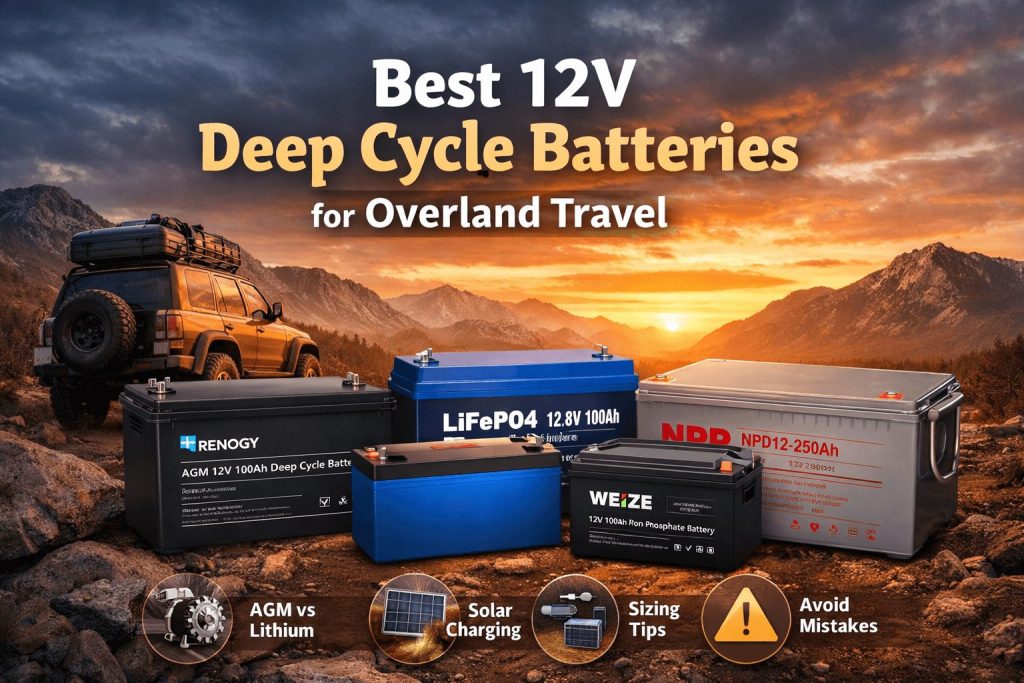
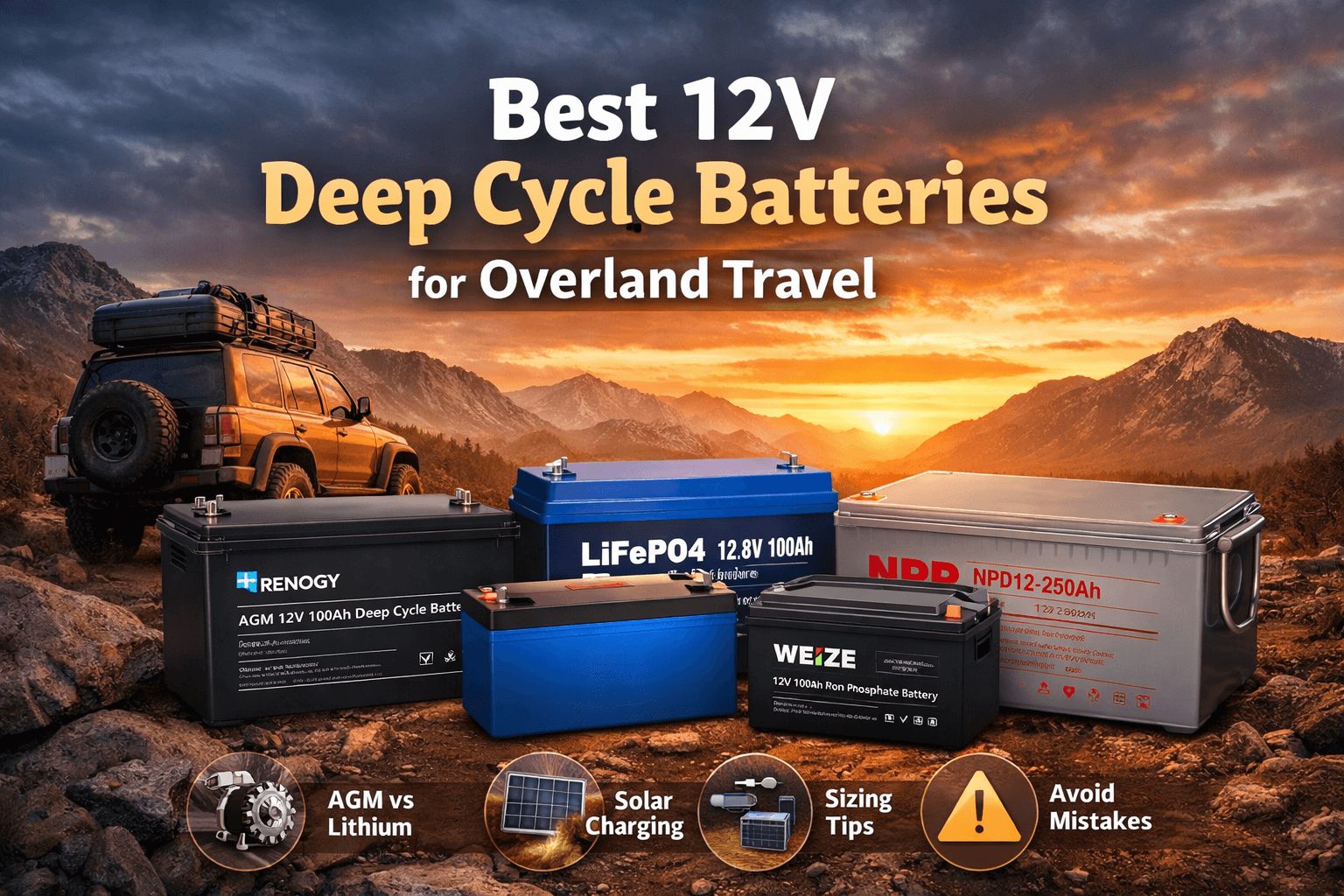
Best 12V Deep Cycle Batteries for Overland Travel (Top 4 Picks)
Below are detailed, easy-to-understand reviews of four excellent 12V deep cycle AGM batteries you can use for overland travel. Each section includes a clear product description, key specs, pros, and cons so you can compare them and choose what fits your needs.
#1 Renogy Deep Cycle AGM 12V 100Ah Battery

The Renogy Deep Cycle AGM 12V 100Ah battery is a sealed lead-acid deep cycle battery designed for dependable, maintenance-free power in RVs, overland rigs, solar systems, and off-grid camping setups. It uses thick absorbent glass mat (AGM) separators and high-quality plates to deliver stable performance and extended service life in demanding environments.
This battery is well known for its safety, leak-proof construction, and ability to handle repeated discharge cycles with minimal upkeep. Its sealed design eliminates the need for water refills while providing consistent power across a wide range of outdoor temperatures.
- Type: AGM sealed lead-acid deep cycle
- Voltage: 12V
- Capacity: 100Ah (10-hour rate)
- Dimensions: ~13.1 × 6.9 × 8.6 inches
- Weight: ~63.9 lbs
- Max Discharge Current: ~1100A (5 seconds)
- Self-Discharge: <3% per month
- Operating Temp: -4°F to 140°F (-20°C to 60°C)
- Warranty: ~2 years
Pros
- Leak-proof and maintenance-free design
- Works well in wide temperature ranges
- Strong discharge current for appliances and gear
- Supports series and parallel connections
Cons
- Heavier than lithium battery options
- Shorter cycle life compared to LiFePO₄
- Should not be discharged below ~50% regularly
#2 Weize 12V 100Ah Deep Cycle AGM Battery

The Weize 12V 100Ah Deep Cycle AGM battery is a sealed, maintenance-free power solution designed for RVs, solar systems, marine use, overland travel, and backup power needs. It delivers dependable 12V energy with a low self-discharge rate, making it easy to store and ready to use when you hit the road or set up camp.
This battery offers a strong balance between affordability and performance. Its AGM construction ensures safe, spill-proof operation while providing sufficient discharge current to run common RV and camping appliances such as fridges, lights, and inverters.
Specifications
- Type: AGM sealed lead-acid
- Voltage: 12V
- Capacity: 100Ah
- Max Discharge Current: ~1150A
- Self-Discharge: ~3% (typical)
- Maintenance: None required
- Applications: RV, solar, marine, camping, backup power
Pros
- Maintenance-free sealed design
- Good discharge current for fridges and gear
- Low self-discharge during storage
- Affordable 100Ah deep cycle option
Cons
- Heavier than lithium battery alternatives
- Lower cycle life compared to LiFePO₄
- Not ideal for very high-drain setups without multiple batteries
#3 VEVOR 12V 40Ah Deep Cycle AGM Battery
The VEVOR 12V 40Ah Deep Cycle AGM battery is a compact, maintenance-free power solution designed for lighter overland rigs, auxiliary systems, and portable applications. Its AGM sealed lead-acid construction provides spill-proof operation and stable performance without the need for regular upkeep.
With its smaller capacity and footprint, this battery is ideal for powering lights, small fridges, fans, and accessories where space and weight are limited. While it does not offer the runtime of larger batteries, it delivers dependable power for low-to-moderate electrical loads.
Specifications
- Type: AGM sealed lead-acid
- Voltage: 12V
- Capacity: 40Ah
- Max Discharge Current: ~800A (5 seconds)
- Dimensions: ~13 × 6.7 × 8.4 in
- Weight: ~60 lbs
Pros
- Compact size for smaller vehicles and tight spaces
- Maintenance-free sealed AGM design
- Low self-discharge performance
- Efficient for small electrical loads
Cons
- Lower capacity limits runtime for high-drain gear
- Not suitable as the main battery for heavy setups
- Heavier than small lithium batteries with similar capacity
#4 NPP NPD12-250Ah 12V Deep Cycle AGM Battery

The NPP NPD12-250Ah AGM deep cycle battery delivers massive 250Ah capacity in a sealed lead-acid design, making it ideal for large overland power systems, extended off-grid travel, RVs, and heavy solar setups. Built in an 8D-style format, it uses thick internal plates and valve-regulated AGM technology for deep discharge capability and long float life.
This battery is designed for serious energy demands, supporting large inverters, refrigerators, and multi-day power usage. Its sealed and maintenance-free construction ensures reliable performance in demanding outdoor and mobile environments.
Specifications
- Type: AGM sealed lead-acid deep cycle
- Voltage: 12V
- Capacity: ~250Ah
- Max Discharge Current: ~1500A (5 seconds)
- Self-discharge: ≤ 3% per month
- Design Life: ~10 years (float life)
Pros
- Very high capacity for long off-grid trips
- Strong discharge capability for large inverters
- Sealed, maintenance-free AGM design
- Built for serious RV and solar power systems
Cons
- Very heavy and large — requires secure mounting
- Longer recharge times typical of large AGM batteries
- Higher upfront cost than smaller AGM options
AGM vs Lithium Batteries for Overland Travel
When choosing a deep cycle battery for overland travel, one of the most important decisions is AGM vs Lithium. Both types store power, but they work and perform differently. Below is a clear, detailed comparison to help you decide which one matches your travel needs.
Side-by-Side Comparison
| Feature | AGM Batteries | Lithium (LiFePO₄) Batteries |
|---|---|---|
| Battery Type | Lead-acid, absorbed glass mat | Lithium iron phosphate |
| Weight | Heavy | Much lighter |
| Depth of Discharge | ~50% usable | ~80-100% usable |
| Cycle Life | ~300–800 cycles | ~2000+ cycles |
| Charging Speed | Moderate | Fast |
| Temperature Sensitivity | Works well in cold | Needs protection in freezing |
| Cost | Lower upfront | Higher upfront |
| Maintenance | Maintenance-free | Maintenance-free |
| Safety | Very safe | Very safe with BMS |
This side-by-side look shows how each battery type fits different priorities. The most common differences are weight, cycle life, and usable power.
Weight Differences
AGM batteries are heavy. They use lead plates and acid. This makes them strong, but also heavy. A 100 Ah AGM battery can weigh around 60 + pounds. Large AGM batteries like 250 Ah can weigh much more. Extra weight matters for overland vehicles because it affects fuel efficiency, suspension, and available cargo space.
Lithium batteries use lighter materials. A lithium battery with similar capacity can weigh much less than an AGM. This saves vehicle weight, which helps with handling and fuel use. Over time, lighter batteries make travel easier.
Charging Performance
Charging speed matters on trips where sunlight and driving time are limited.
-
AGM Batteries:
AGM batteries accept charge slowly. They need longer solar panel exposure or longer engine run time to recharge fully. If you discharge an AGM deeply, it takes more time to get back to full. -
Lithium Batteries:
Lithium batteries accept charge much faster. They can reach full charge in less time, especially from solar panels or DC-DC chargers. Lithium also stays efficient at higher charge levels. You get more usable energy back, sooner. This is useful when travel days are short or weather is cloudy.
Cost Over Time
Upfront cost and long-term value are different.
-
AGM Batteries: They cost less at first. For occasional trips or shorter use, AGM can be cheaper. But AGMs have lower cycle life. You may replace them more often.
-
Lithium Batteries: They cost more at purchase. But lithium batteries last many times longer. Some lithium batteries offer 2000+ cycles. This means years of use before replacement. Over time, lithium can end up cheaper per cycle.
So, if you travel often or live in your rig part-time, lithium may save money over many years. But if you travel only a few times a year, AGM might make more sense right now.
Which Type Suits Different Travel Styles
Here’s a quick guide to match battery types with common overland travel styles:
1. Weekend and Short Trips
-
AGM is often a good fit.
-
Lower cost and proven performance.
-
Enough power for lights, small fridges, and gadgets.
2. Full-Time Overlanding or Off-Grid Living
-
Lithium is usually better.
-
Faster charging and higher usable capacity help daily use.
-
Higher cycle life supports long-term use.
3. Heavy Power Users (Large Fridge, Inverter, Tools)
-
Lithium provides more usable energy.
-
Less worry about discharging deeply.
-
Better for high power draws.
4. Solar-Powered Setups
-
Lithium pairs well with solar charging.
-
Fast recharge and efficient energy use help on cloudy or short-sunlight days.
How to Size Your Battery for Overland Trips
Sizing your battery means figuring out how much capacity you need for your travel style. Getting this right keeps your gear running and reduces stress when off-grid.
Estimating Daily Power Use
Start by listing all the devices you will use on your trip. Common devices include:
-
Portable fridge
-
LED lights
-
Phone and laptop chargers
-
GPS and radios
-
Water pumps
-
Fans
For each device:
-
Find the power draw (in watts or amps)
-
Estimate how many hours per day it will run
Example:
-
Fridge: 3 amps × 24 hours = 72 Ah/day
-
LED lights: 1 amp × 5 hours = 5 Ah/day
-
Phone chargers: 2 amps × 3 hours = 6 Ah/day
-
Total = 83 Ah/day
This tells you how much battery capacity you will need in a day.
Common Overland Appliances and Power Draw
Here is a rough idea of average draws:
-
12 V fridge/freezer: 2–5 amps while running
-
LED lights: 0.5–2 amps depending on brightness
-
Phone charge: 0.5–2 amps
-
Laptop charge (via inverter): 5–10 amps
-
Water pump: 3–6 amps briefly
Remember that devices like fridges cycle on and off. They are not always pulling full power.
Single Battery vs Battery Bank
Single Battery
-
Easier and cheaper
-
Works for short trips or small power needs
-
Example: One 100 Ah battery for short weekends
Battery Bank (Multiple Batteries Together)
-
Connect two batteries in parallel to double capacity (e.g., two 100 Ah = 200 Ah)
-
Better for longer trips or bigger gear
-
Improves runtime and reduces how deeply you discharge each battery
-
Helps extend battery life
For example, if you need 100 Ah/day:
-
A single 100 Ah AGM may be deep discharged too often
-
Two 100 Ah AGM batteries (200 Ah) give more usable capacity and longer life
Planning for Future Upgrades
Plan ahead:
-
Leave space for extra batteries later
-
Choose mounts and wiring that can handle more capacity
-
Pick a battery type and charger that scales easily (e.g., LiFePO₄ with compatible BMS)
If you later add solar panels or a larger inverter, you won’t need to rebuild your battery system.
Charging Options for 12V Deep Cycle Batteries
A good charging setup keeps your deep cycle battery healthy and ready for every trip. Overland travel often uses more than one charging method. This creates a flexible and reliable power system.
Vehicle Alternator Charging
Charging from the vehicle alternator is one of the most common methods. When the engine runs, the alternator produces power. This power can charge your auxiliary deep cycle battery.
For basic systems, a battery isolator or relay separates the starting battery from the house battery. This protects your vehicle from being drained. Once the engine starts, the isolator allows power to flow to the deep cycle battery.
However, modern vehicles often use smart alternators. These reduce voltage once the starting battery is full. This can limit charging for deep cycle batteries, especially lithium types. For AGM batteries, alternator charging still works well, but charging may be slow during short drives.
Solar Panel Charging
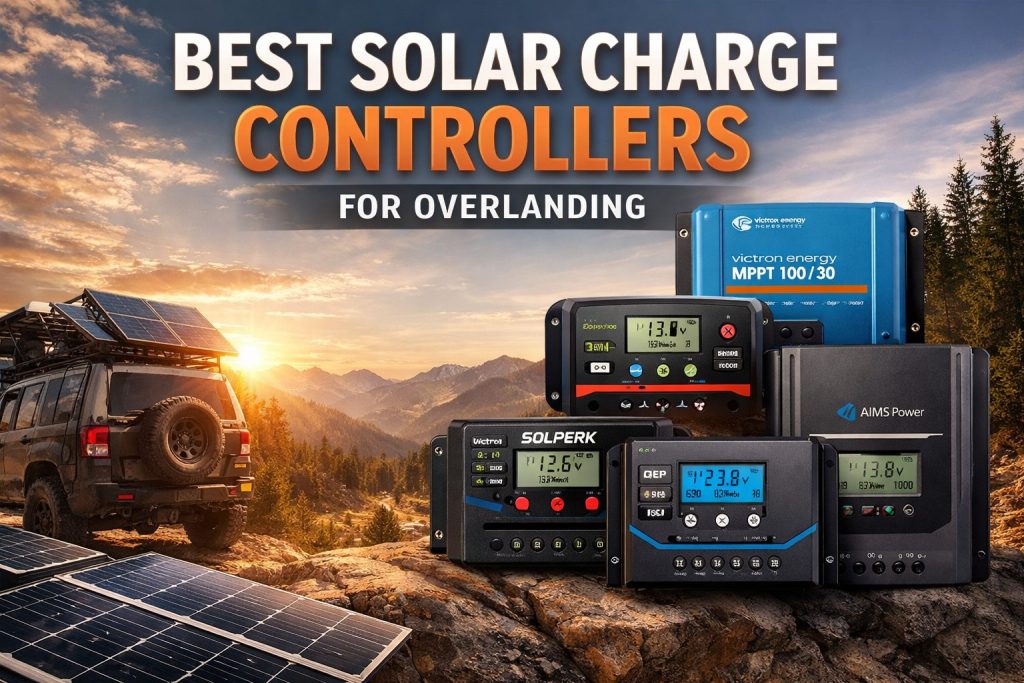
Solar charging is very popular with overlanders. Solar panels collect energy from sunlight and send it to the battery through a charge controller.
A solar charge controller is required to protect the battery. It controls voltage and current. There are two common types:
-
PWM controllers for small systems
-
MPPT controllers for better efficiency
Solar panels work best during daylight hours. They reduce engine run time and fuel use. Solar charging pairs very well with deep cycle batteries, especially lithium batteries that accept charge quickly.
Panel size depends on your daily power use. A larger panel allows faster recovery and longer off-grid stays.
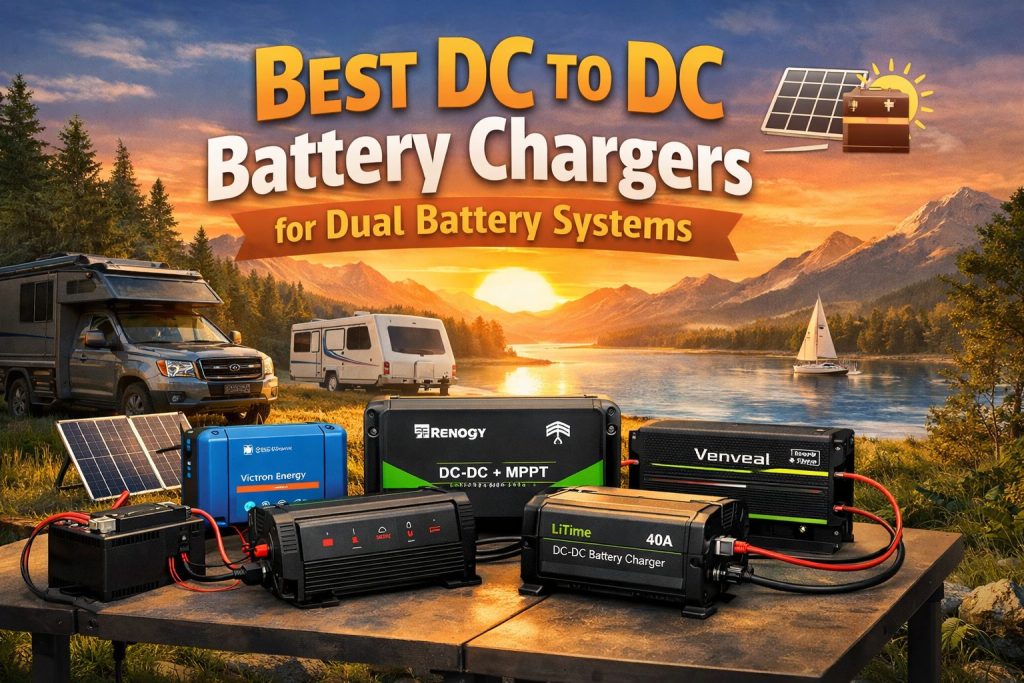
DC-DC Chargers
A DC-DC charger is one of the best options for overland battery systems. It takes power from the vehicle alternator and boosts or regulates voltage for proper battery charging.
DC-DC chargers are ideal for modern vehicles. They ensure correct charging voltage even when alternator output is low. Many models support both AGM and lithium batteries.
Some DC-DC chargers also include solar inputs. This allows alternator and solar charging to work together. DC-DC chargers protect battery health and improve charging speed during travel days.
Shore Power Charging
Shore power charging uses an external AC power source. This includes campground outlets or home power. An AC-to-DC battery charger converts wall power into safe charging voltage.
Shore charging is useful before trips or during extended stays at powered campsites. It fully charges batteries and balances cells. For lithium batteries, a charger designed for LiFePO₄ chemistry is required.
Shore power ensures batteries start every trip at full capacity.
Installation Tips for Overland Battery Systems
A proper installation improves safety and performance. Poor wiring or mounting can cause power loss or damage.
Safe Mounting Locations
Batteries must be mounted securely. Choose a location that:
-
Is protected from road debris
-
Is stable and strong
-
Keeps the battery from shifting during rough travel
Common mounting spots include cargo areas, drawers, or dedicated battery boxes. Always use brackets or straps rated for battery weight.
Ventilation Needs
AGM batteries release very little gas, but ventilation is still helpful. Avoid sealing them in airtight boxes.
Lithium batteries do not off-gas during normal use. Ventilation is less critical, but airflow helps manage heat. Never mount batteries near high heat sources like exhausts.
Cable Sizing Basics
Cable size affects charging efficiency and safety. Small cables cause voltage drop and heat buildup.
General rules:
-
Use thicker cables for longer runs
-
Higher current needs thicker wire
-
Follow manufacturer guidelines
Undersized cables can reduce battery life and create fire risks.
Fuse and Safety Protection
Every battery system must include fuses or circuit breakers. Fuses protect wiring and equipment from short circuits.
Key safety tips:
-
Place fuses close to the battery
-
Fuse both positive lines when possible
-
Use quality fuse holders
This step protects your vehicle and your gear.
Maintenance Tips to Extend Battery Life
Good care keeps your battery working longer and better.
Proper Charging Habits
Avoid deep discharges when possible. AGM batteries last longer when kept above 50 % charge. Lithium batteries handle deeper discharge but still benefit from balanced charging.
Always use chargers designed for your battery type. Incorrect voltage can reduce lifespan.
Storage Tips When Not Traveling
If you store your vehicle:
-
Fully charge the battery first
-
Disconnect loads
-
Store in a cool, dry place
AGM batteries should be topped up every few months. Lithium batteries store best at partial charge.
Temperature Care
Extreme temperatures affect battery performance. Heat speeds up wear. Cold reduces available capacity.
Protect batteries from direct sun and freezing conditions. Insulated battery boxes help maintain stable temperature.
Signs of Battery Failure
Watch for early warning signs:
-
Shorter runtime
-
Slow charging
-
Swollen case
-
Voltage drops under light load
Replacing a failing battery early prevents system damage.
Common Mistakes Overlanders Make When Choosing Deep Cycle Batteries
Many overlanders invest in good gear but still face power problems. These issues often come from simple battery mistakes. Understanding them can save time, money, and stress on the trail.
Buying Too Little Capacity
One of the most common mistakes is choosing a battery with low capacity. Many travelers only think about price or size. They forget about daily power needs. A battery that is too small will drain quickly. This leads to frequent deep discharges and shorter battery life.
Overland trips often involve fridges, lights, and charging devices running for many hours. A low-capacity battery struggles to keep up. It is always better to choose slightly more capacity than you think you need. Extra capacity adds safety and comfort during long trips.
Ignoring Weight Limits
Batteries add a lot of weight to a vehicle. AGM batteries are especially heavy. Many overlanders forget to include battery weight when planning their setup. This can overload suspension, reduce fuel efficiency, and affect handling on rough trails.
Before buying a battery, check your vehicle’s payload capacity. Choose a battery that fits both space and weight limits. Lithium batteries help reduce weight, but they cost more. Balance weight and budget carefully.
Mixing Battery Types
Mixing different battery types in one system is a serious mistake. AGM and lithium batteries charge differently. They have different voltage needs and discharge behavior. Using them together can cause uneven charging and damage.
Even mixing batteries of the same type but different ages can cause problems. Older batteries weaken faster. This pulls down the performance of newer ones. Always use the same battery type, capacity, and age when building a battery bank.
Skipping Proper Charging Gear
Many overlanders focus only on the battery. They forget about the charger. Using the wrong charger can reduce battery life or cause failure.
AGM batteries need correct voltage limits. Lithium batteries require a charger with LiFePO₄ settings and built-in protection. Skipping DC-DC chargers or proper solar controllers leads to slow charging and poor performance. Good charging gear is just as important as the battery itself.
Frequently Asked Questions (FAQs)
How Long Do 12V Deep Cycle Batteries Last?
Battery life depends on type and usage. AGM batteries usually last 3 to 5 years with proper care. Lithium batteries can last 8 to 10 years or longer. Regular charging, correct setup, and avoiding deep discharges help extend lifespan.
Are Lithium Batteries Worth It for Overlanding?
Lithium batteries cost more upfront, but they offer many benefits. They are lighter, charge faster, and last much longer. They also provide more usable power. For frequent travelers or long trips, lithium batteries are often worth the investment. For occasional trips, AGM batteries still work well.
Can I Run a Fridge on a Single Battery?
Yes, you can run a fridge on a single battery. The runtime depends on battery size and fridge efficiency. A 100Ah battery may power a fridge for one to two days. Adding solar panels or a second battery increases runtime and reduces stress on the system.
Do I Need Solar Panels for Overland Travel?
Solar panels are not required, but they are very helpful. They recharge batteries during the day and extend off-grid stays. Solar reduces engine run time and fuel use. For long trips or frequent camping, solar panels make power management much easier.
Final Thoughts
Choosing the best 12V deep cycle batteries for overland travel is about balance. You need enough power, the right battery type, and reliable charging. AGM batteries offer a strong and affordable solution for many travelers. Lithium batteries provide better performance, lighter weight, and longer life for serious overland use.
Matching the battery to your travel style is key. Short trips need less capacity. Long off-grid adventures need stronger systems. Reliability matters most when traveling far from help. A well-planned battery setup keeps your gear running and your journey stress-free.
Read More: Best Lithium Batteries for RV Solar Setups